
Washington Adult Family Home Licensing, Explained for Bellingham Families
Washington relies heavily on adult family homes to care for older adults, and Bellingham has many of them. Because these homes look like any other house on the street, families sometimes wonder how they are regulated and what a license really means. This guide explains Washington's rules in plain language, compares adult family homes with assisted living facilities, and shows how to check a home and get help.
What the law says an adult family home is
Washington law defines an adult family home as a residential home in which a person or persons provide personal care, special care, room, and board to more than one but not more than six adults who are not related by blood or marriage to the providers. A home may provide services to up to eight adults with approval from the department (RCW 70.128.010).
DSHS adds that since June 2020, adult family homes licensed for two years may apply to increase their capacity to eight residents if they meet certain criteria (DSHS adult family home information sheet).
What an adult family home provides
According to DSHS, an adult family home provides room and meals, laundry, supervision, and help with activities of daily living and personal care. Some homes provide nursing or other special care. That range is one reason families should ask each home exactly what care it offers.
Where adult family homes can be located
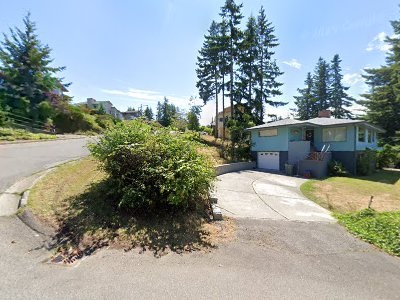
A licensed adult family home is at a residential address. DSHS explains that it must be a single-family residence, a duplex unit, or another dwelling for one or two families. If a home is a duplex, each unit must have separate staffing, call systems, living quarters, and addresses, with a fire wall or floor between the units and no shared internal door.
When a license is required
DSHS says a license is required before anyone provides personal care, special care, room, and meals for two to six unrelated adults in their home. A license is not required to care for one's own relatives, to care for one unrelated person, to care for relatives plus one unrelated person, or to provide only room and meals in exchange for rent.
For families, the practical message is simple: if a home is caring for several unrelated older adults, it should hold an adult family home license. Ask to see it.
Who licenses and monitors homes
Adult family homes and assisted living facilities are licensed and monitored by DSHS Residential Care Services. DSHS's Home and Community Services division also offers specialty contracts with licensed facilities for certain kinds of care (DSHS, residential long-term care specialty contracts).
How assisted living facilities differ
DSHS describes an assisted living facility as one licensed to provide housing and care for seven or more people (DSHS, Medicaid and long-term care services for adults). Some assisted living facilities offer the Specialized Dementia Care Program: either a facility dedicated solely to people with Alzheimer's disease or dementia, or a separate unit or wing for that purpose. Our guide to adult family homes versus assisted living in Bellingham compares the two settings.
Medicaid and licensing
DSHS notes that for Medicaid to pay for care in a residential setting, the setting must be licensed by Washington and accept Medicaid payment. Not every licensed home accepts Medicaid, so ask. See our guide to paying for long-term care in Bellingham.
How to check a home
- Ask to see the license and confirm the address and capacity.
- Ask about the most recent DSHS inspection and how any issues were corrected.
- Ask about specialty contracts or training, especially if your parent is living with dementia.
- Ask local resources. Northwest Regional Council keeps information on long-term care options in Whatcom County, (360) 738-2500 (Northwest Regional Council).
Where to raise concerns
- DSHS Complaint Resolution Unit: 1-800-562-6078. DSHS says it responds to phone calls within 48 hours, or acknowledges the complaint within 48 hours if the issue is being worked on, and responds to written contacts within 7 days.
- Washington State Long-Term Care Ombudsman Program: 1-800-562-6028, a free advocate for residents.
- Adult Protective Services: 1-877-734-6277 to report suspected abuse, neglect, or exploitation. In an emergency, call 911.
All three are listed on DSHS's contact page (DSHS contact information). The ombudsman program notes that residents and advocates can raise a concern directly with staff, file a written grievance, call the ombudsman, or call the DSHS hotline, in any order, and can choose to remain anonymous (Washington State Long-Term Care Ombudsman Program, file a complaint).
What a license does not tell you
A license means a home must meet minimum state standards and is subject to oversight. It does not tell you whether caregivers are warm, whether the food is good, or whether your parent will feel at home. Visit in person, more than once, and use our adult family home tour checklist.
Questions to ask about licensing
- May I see your adult family home license?
- How many residents are you licensed for?
- When was your last DSHS inspection, and may I see the results?
- Do you hold any DSHS specialty contracts?
- Do you accept Medicaid?
- What nursing or special care can you provide?
When a home changes hands
Adult family homes are small businesses, and they are sometimes sold or closed. If a provider plans to sell, retire, or close, ask how residents and families will be notified, how much time they will have, and what help will be offered. Before move-in, ask how long the provider has operated the home and what their plans are.
Reading inspection results
Inspection findings can be technical. Look at the date, what was cited, and how the home corrected it. A single paperwork issue is very different from repeated findings about medications or resident safety. If a report is hard to understand, ask the provider to explain it, or call the ombudsman program for help.
Residents' rights
Residents of Washington adult family homes and assisted living facilities have rights, including dignity, privacy, and a voice in their own care. If something seems wrong, the ombudsman program can explain those rights and help resolve problems.
About Gracious Living Adult Family Home
Gracious Living Adult Family Home is at 1511 Edwards Street in Bellingham. Please call (360) 746-2481 to confirm the home's current licensing and whether it is accepting residents, or contact us.
Frequently asked questions
How many residents can a Washington adult family home serve?
Two to six adults, or up to eight with approval from DSHS.
Who licenses adult family homes in Washington?
DSHS Residential Care Services licenses and monitors adult family homes and assisted living facilities.
Does a home caring for one person need a license?
DSHS says a license is not required to care for one unrelated person, or for one's own relatives. Caring for two to six unrelated adults requires a license.
How do I file a complaint about an adult family home?
Call the DSHS Complaint Resolution Unit at 1-800-562-6078, or the Long-Term Care Ombudsman Program at 1-800-562-6028.
Sources
- RCW 70.128.010
- DSHS: Adult family home information sheet (PDF)
- DSHS: Residential long-term care specialty contracts
- DSHS: Medicaid and long-term care services for adults (PDF)
- Northwest Regional Council: Aging and Disability Resources
- DSHS: Client resources and contact information
- Washington State Long-Term Care Ombudsman Program: File a complaint