
Your Adult Family Home and Assisted Living Tour Checklist for Bellingham
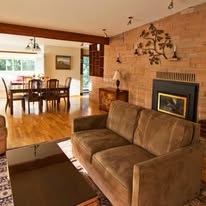
Visiting an adult family home is different from touring a large assisted living community. There is no lobby or marketing office, just a house, a provider, a few caregivers, and a handful of residents. That intimacy can tell you a lot in a short visit, if you know what to look for. This checklist is built for Bellingham families visiting adult family homes, and it works for assisted living facilities too. Print it, bring it along, and take notes.
Before you go
- List your parent's needs: medications, mobility, memory, health conditions, and daily routines.
- Know your budget. CareScout's 2025 survey reports a median of $6,650 a month for assisted living in the Bellingham area (CareScout Cost of Care tool). Adult family home rates vary, so ask each home.
- Call ahead. Small homes need notice, and residents' routines matter. Ask whether you can visit around a meal.
- Bring your parent if you can, and a second family member to take notes.
First impressions
- [ ] Is the house easy to reach, with safe parking and an accessible entrance?
- [ ] Were you welcomed warmly?
- [ ] Is the home clean, tidy, and free of strong odors?
- [ ] Are walkways clear and well lit, inside and out?
- [ ] Do residents look comfortable and well cared for?
- [ ] Do caregivers speak to residents kindly and by name?
The provider and caregivers
- [ ] Who is the licensed provider, and do they live on site?
- [ ] Is there a resident manager?
- [ ] How many caregivers are awake and on duty during the day and overnight?
- [ ] What training do caregivers have, including dementia care?
- [ ] Who covers when the main caregiver is sick or on vacation?
- [ ] How long have current caregivers worked here?
- [ ] What languages are spoken?
Care
- [ ] How do you assess a new resident's needs?
- [ ] What nursing or special care can you provide? DSHS notes that some adult family homes provide nursing or other special care (DSHS adult family home information sheet).
- [ ] How are medications stored, given, and recorded?
- [ ] How do you respond to falls and emergencies?
- [ ] Which hospital do you use?
- [ ] How do you coordinate with doctors and home health?
- [ ] What happens if my parent's needs grow beyond what you provide?
Licensing and inspections
- [ ] Ask to see the adult family home license.
- [ ] Ask about the most recent DSHS inspection, and how any issues were corrected.
- [ ] Ask whether the home has any specialty contracts with DSHS, such as for dementia or mental health care.
Our guide to Washington adult family home licensing explains what to look for.
Rooms
- [ ] Is the room private or shared?
- [ ] Is there a private or shared bathroom, with grab bars?
- [ ] Can residents bring their own furniture and decorations?
- [ ] Is there a call system or another way to get help at night?
- [ ] Is the room comfortable in both summer heat and winter cold?
Meals
- [ ] Who cooks, and are meals home-made?
- [ ] Are special diets accommodated?
- [ ] Do residents eat together at the table?
- [ ] Are snacks available any time?
- [ ] Stay for a meal if you can.
Daily life
- [ ] What does a typical day look like?
- [ ] Are there activities, music, outings, or faith services?
- [ ] Is there a yard, deck, or garden residents can use safely?
- [ ] Are pets allowed, or do any live in the home?
- [ ] Is transportation available for appointments?
Safety
- [ ] How do you prevent and respond to wandering?
- [ ] What is the plan for power outages, wind storms, and snow?
- [ ] Is there a backup heat source or generator?
- [ ] How are visitors managed?
Costs and the agreement
- [ ] What is the monthly rate, and what is included?
- [ ] What costs extra?
- [ ] Is there a deposit or move-in fee?
- [ ] How much notice do you give before raising rates?
- [ ] Do you accept Medicaid? Are you a registered WA Cares provider?
- [ ] What happens if my parent's money runs out?
- [ ] When might a resident be asked to move?
See our guide to paying for long-term care in Bellingham.
Families
- [ ] How will you tell us about changes or incidents?
- [ ] Are there regular care conferences?
- [ ] What are visiting hours?
Why a small home is different to visit
In a large assisted living community, a marketing director usually leads the tour and many staff never meet you. In an adult family home, you are likely to meet the provider and caregivers who would actually care for your parent, and the residents who would be your parent's housemates. That is a real advantage. Take time to sit in the living room, watch how the day flows, and notice whether residents seem at home. Ask the provider about their background, why they chose this work, and how long they plan to operate the home. Stability matters in a small setting, because a change of owner or caregiver affects every resident.
Comparing homes afterward
When you have visited two or three homes, a simple scoring sheet helps. Rate each from one to five on caregivers, cleanliness, food, safety, location, and cost, and add a line for your overall impression. Keep each home's rate sheet and agreement with your notes, and date each visit. Totals are not the whole answer, but they make differences easier to see and to discuss with family members who could not come.
Watch the small things
In a small home, details say a lot. Are residents dressed and groomed by mid-morning? Does a caregiver notice when someone needs help? Is the television the only activity? Do residents seem relaxed with the caregivers? Listen to the tone of voices.
Bringing your parent
Let your parent set the pace. A short visit for lunch may be easier than a long tour, and it gives your parent a chance to meet the other residents. Afterward, ask what they noticed and liked, and take their views seriously.
After the visit
Write down impressions while they are fresh, then compare notes. Visit your top choice again at a different time. Ask yourself: Could I picture my parent here? Were caregivers patient? Would my parent be able to keep doing what matters most to them?
Help if you have concerns
The DSHS Complaint Resolution Unit takes concerns about Washington adult family homes and assisted living facilities at 1-800-562-6078, and the Long-Term Care Ombudsman Program offers free help at 1-800-562-6028 (DSHS contact information).
About Gracious Living Adult Family Home
Gracious Living Adult Family Home is at 1511 Edwards Street in Bellingham. Please call (360) 746-2481 to confirm whether the home is currently accepting residents before planning a visit, or view our gallery.
Frequently asked questions
What should I look for when visiting an adult family home?
Look at cleanliness, how caregivers treat residents, the food, safety, and whether residents seem comfortable. Ask about staffing day and night, care limits, costs, and licensing.
Who should I meet during a visit?
Ask to meet the licensed provider or resident manager, and the caregivers who would care for your parent.
How do I check a home's inspection record?
Ask the home for its license and most recent DSHS inspection results.
Do adult family homes accept Medicaid?
Some do. Washington Medicaid can pay for care in homes that are licensed and accept Medicaid. Ask each home.