
Adult Family Home or Assisted Living? A Guide for Bellingham Families
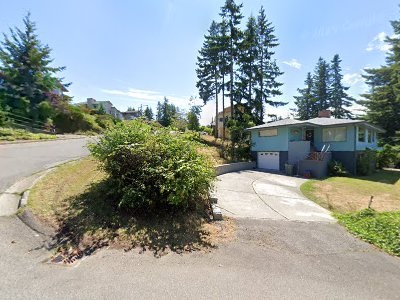
In many states, families choosing care for a parent compare assisted living with nursing homes. In Washington, there is an important third option that many newcomers have never heard of: the adult family home. Bellingham and Whatcom County have many of them, tucked into ordinary residential streets. For the right person, a small home can feel more personal than a large facility. For others, a larger assisted living community offers more space, activities, and amenities. This guide explains the differences so you can decide what fits your parent.
What is an adult family home?
Under Washington law, an adult family home is a residential home where a provider gives personal care, special care, room, and board to more than one but not more than six adults who are not related to the provider. A home may serve up to eight adults with approval from the state (RCW 70.128.010).
DSHS explains that adult family homes provide room and meals, laundry, supervision, and help with daily activities and personal care, and that some homes provide nursing or other special care. A licensed adult family home is at a residential home address, such as a single-family house (DSHS adult family home information sheet).
What is an assisted living facility?
DSHS describes an assisted living facility as one licensed to provide housing and care for seven or more people, in a home or larger facility. Housing ranges from a room with access to shared living space to a private apartment, and facilities vary in size from family-operated seven-bed homes to large communities (DSHS, Medicaid and long-term care services for adults).
Both kinds of settings are licensed and monitored by DSHS Residential Care Services (DSHS, residential long-term care specialty contracts).
Side by side
| Adult family home | Assisted living facility | |
|---|---|---|
| Size | Two to six residents (up to eight with approval) | Seven or more residents |
| Setting | A house in a neighborhood | A home or larger building, often apartments |
| Caregivers | A small team who know each resident well | Larger staff, often in shifts and departments |
| Activities | Home-style routines | Larger calendar of activities and outings |
| Amenities | Shared living room, kitchen, yard | Dining rooms, common areas, sometimes salons or fitness rooms |
| Medicaid | Possible, if the home contracts with DSHS | Possible, if the facility contracts with DSHS |
Why some families choose a small home
- Familiar faces. With only a few residents, caregivers come to know each person's habits, likes, and moods.
- A home-like feel. Meals at a shared table, a living room, a garden or deck.
- Quiet. Fewer people and less noise can suit people who are easily overwhelmed, including some people living with dementia.
- Higher care in some homes. Some adult family homes provide nursing or special care, so ask what each home can offer.
Why some families choose a larger community
- Privacy and space. Private apartments, sometimes with kitchenettes.
- More to do. A busier activity calendar, outings, and more people to meet.
- On-site amenities. Dining rooms, salons, and common spaces.
- Specialized programs. Some assisted living facilities offer Washington's Specialized Dementia Care Program, a facility or separate unit dedicated solely to people with dementia.
Cost
CareScout's 2025 survey reports a median of $6,650 a month for assisted living in the Bellingham area (CareScout Cost of Care tool). It does not report a separate adult family home figure. Adult family home rates vary widely by room, home, and care needs, so ask each home for a written quote. See our guide to assisted living costs in Bellingham.
Medicaid in both settings
Washington Medicaid can pay for services in a licensed adult family home or assisted living facility that accepts Medicaid, with the resident contributing part of their income toward care. Medicaid Personal Care services may be provided in a department-contracted adult family home or a contracted assisted living facility, and residents pay room and board up to a state standard (Washington Health Care Authority, Medicaid Personal Care). Not every home or facility accepts Medicaid, so ask. Our guide to paying for long-term care in Bellingham has more.
Questions to help you decide
- Does your parent enjoy a busy social life, or prefer quiet and a few familiar faces?
- How much privacy does your parent want?
- Does your parent need nursing or special care, and which settings provide it?
- Is your parent living with dementia, and how does each setting support that?
- Which settings accept Medicaid, if that may be needed?
- How close is each option to family and to your parent's doctors?
Questions to ask an adult family home
- How many residents live here, and how many caregivers are on duty day and night?
- Does the provider or a resident manager live on site?
- What nursing or special care can you provide?
- How do you handle medications?
- Do you accept Medicaid?
- How do you plan for emergencies, such as power outages during winter storms?
Our adult family home tour checklist for Bellingham has a full list.
Visiting both kinds of settings
If you are unsure, visit at least one adult family home and one larger assisted living facility. Seeing both, ideally at mealtime, often makes the choice clear. Notice where your parent seems most at ease.
Checking a home or facility
Ask to see the license and the most recent inspection. If you have concerns about any Washington adult family home or assisted living facility, the DSHS Complaint Resolution Unit takes calls at 1-800-562-6078, and the Washington State Long-Term Care Ombudsman Program offers free help at 1-800-562-6028 (DSHS contact information).
Local help
Northwest Regional Council, the Area Agency on Aging for Whatcom County, keeps information on adult family homes, assisted living facilities, nursing homes, and respite options. Call (360) 738-2500 (Northwest Regional Council).
About Gracious Living Adult Family Home
Gracious Living Adult Family Home is a small residential home at 1511 Edwards Street in Bellingham. Please call (360) 746-2481 to confirm whether the home is currently accepting residents, or read about daily life in the home.
Frequently asked questions
What is the difference between an adult family home and assisted living in Washington?
An adult family home is a licensed residential house serving two to six residents, or up to eight with approval. An assisted living facility is licensed for seven or more residents and is often larger.
Who licenses adult family homes in Washington?
Adult family homes and assisted living facilities are licensed and monitored by DSHS Residential Care Services.
Does Medicaid pay for adult family homes in Washington?
Yes, in homes that contract with the state. The resident contributes part of their income and pays room and board up to a state standard.
Are adult family homes good for people with dementia?
Many families find a small, quiet home suits a parent with dementia. Ask each home about its experience, training, and how it keeps residents safe.
Sources
- RCW 70.128.010
- DSHS: Adult family home information sheet (PDF)
- DSHS: Medicaid and long-term care services for adults (PDF)
- DSHS: Residential long-term care specialty contracts
- CareScout Cost of Care Survey tool (2025 data)
- Washington Health Care Authority: Medicaid Personal Care
- DSHS: Client resources and contact information
- Northwest Regional Council: Aging and Disability Resources