
How to Choose an Adult Family Home or Assisted Living in Bellingham
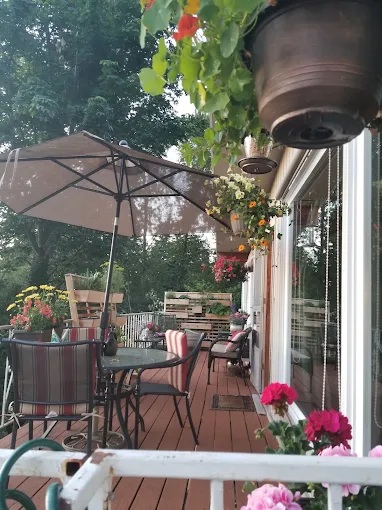
Whatcom County has a wide range of care settings for older adults, from small adult family homes on quiet residential streets to larger assisted living communities. That range is a strength, but it can make choosing feel overwhelming. With so many small homes, quality and fit can vary a great deal from one door to the next. This step-by-step guide is meant to help Bellingham families narrow the field and choose with confidence.
Step 1: Describe your parent's needs
Write down what help your parent needs now:
- Personal care: bathing, dressing, grooming, toileting
- Mobility: walking, transfers, falls
- Medications: number, timing, missed doses
- Memory: confusion, wandering, unsafe decisions
- Health: diabetes, heart or lung disease, any nursing needs
- Personality and preferences: quiet or social, early riser or night owl, favorite foods, faith, pets
Ask your parent's doctor to review the list. A small home's fit depends as much on personality and routine as on care needs.
Step 2: Decide between a small home and a larger facility
An adult family home serves two to six residents in a house, or up to eight with state approval, and provides room, meals, laundry, supervision, and personal care; some homes provide nursing or other special care (DSHS adult family home information sheet). Assisted living facilities serve seven or more residents. Our guide to adult family homes versus assisted living in Bellingham compares them.
Step 3: Set a budget
CareScout's 2025 survey reports a median of $6,650 a month for assisted living in the Bellingham area (CareScout Cost of Care tool). Adult family home rates vary. Look into Washington Medicaid, the WA Cares Fund, VA benefits, and long-term care insurance; our guide to paying for long-term care in Bellingham explains each.
Step 4: Build a short list
Northwest Regional Council, the Area Agency on Aging for Whatcom County, keeps information on adult family homes, assisted living facilities, nursing homes, and respite care. Call (360) 738-2500 (Northwest Regional Council). Ask your parent's doctor, friends, and faith community for suggestions too.
Think about location. A home close to the family members who will visit most, and to your parent's doctors, makes life easier. In Bellingham, consider how easy the drive is in winter rain, and whether the home is near your parent's familiar neighborhoods.
Step 5: Check the license and record
Adult family homes and assisted living facilities in Washington are licensed and monitored by DSHS Residential Care Services (DSHS, residential long-term care specialty contracts). Ask each home for its license and its most recent inspection results, and how any problems were corrected. Our explainer on Washington adult family home licensing covers the basics.
Step 6: Visit, then visit again
Plan a first visit of at least an hour, ideally with your parent. Then return at a different time, such as a mealtime or late afternoon. In a small home, notice:
- Whether the provider or caregivers greet residents warmly and by name
- How residents spend their time: engaged, resting comfortably, or idle
- Cleanliness, odors, and clutter
- The food, and whether residents eat together
- Whether the home feels calm
Our adult family home tour checklist lists questions to bring.
Step 7: Ask about staffing
Staffing is especially important in a small home. Ask:
- Who lives on site, and who is in charge day to day?
- How many caregivers are awake and on duty during the day and overnight?
- What training do caregivers have, including for dementia care?
- Who covers when the main caregiver is sick or on vacation?
- How long have current caregivers worked here?
Step 8: Ask about care limits
- What nursing or special care can you provide?
- How do you manage medications?
- What happens if my parent's needs grow beyond what you provide?
- What notice would you give if my parent needed to move?
Step 9: Read the agreement
Review the admission agreement carefully. Look at the rate, what is included, how and when rates change, notice periods, and discharge policies. Ask whether the home accepts Medicaid, and what happens if your parent's funds run out. An elder law attorney can review the agreement.
Step 10: Involve your parent and plan the move
Let your parent have a voice whenever possible. Even a parent with memory changes can often share preferences about a room, a view, or the people they feel comfortable with. Once you choose, share your parent's routines, favorite foods, and life story with the provider, and bring familiar furniture and photographs.
Trust your instincts
After each visit, ask yourself a simple question: could you picture your parent sitting at that table, in that living room, with those caregivers? Your gut feeling, combined with the facts you have gathered, is often a reliable guide.
Red flags
- Reluctance to show the license or inspection results
- Vague answers about staffing, especially overnight
- Pressure to sign quickly
- Residents who seem unkempt or unattended
- Strong odors or obvious safety hazards
If you have concerns about a Washington adult family home or assisted living facility, call the DSHS Complaint Resolution Unit at 1-800-562-6078 or the Long-Term Care Ombudsman Program at 1-800-562-6028 (DSHS contact information).
Talking with current families
If a home allows it, ask to speak with a family whose relative lives there. Ask what surprised them, how the provider communicates changes, and how problems were handled. Every experience is different, so weigh what you hear alongside your own observations. In a small home, the relationship between the provider and families matters a great deal, so pay attention to how open and responsive the provider is with you.
Thinking about the future
Your parent's needs may change. Ask how each home supports residents as needs grow, and what would trigger a move. A home that can adapt may spare your parent a second move. At the same time, value honest answers about limits; a provider who is clear about what it cannot do is often more trustworthy than one that promises everything.
About Gracious Living Adult Family Home
Gracious Living Adult Family Home is a small residential home at 1511 Edwards Street in Bellingham. Please call (360) 746-2481 to confirm whether the home is currently accepting residents, or see our frequently asked questions.
Frequently asked questions
How do I find adult family homes in Bellingham?
Northwest Regional Council, (360) 738-2500, keeps information on adult family homes and other long-term care options in Whatcom County.
How many residents live in an adult family home?
Washington adult family homes serve two to six residents, or up to eight with state approval.
How do I check an adult family home's record?
Ask the home for its license and recent inspection results. Homes are licensed and monitored by DSHS Residential Care Services.
What should I ask about staffing in an adult family home?
Ask who lives on site, how many caregivers are awake and on duty day and night, what training they have, and who covers when the main caregiver is away.