
Signs It May Be Time for Assisted Living in Bellingham, WA
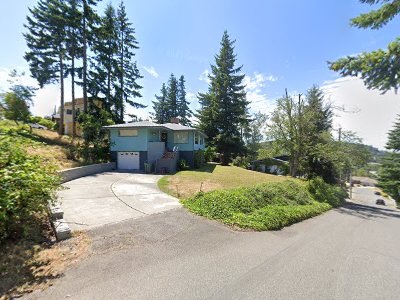
The need for more care rarely arrives all at once. For many Bellingham families, it shows up as a series of small things: a parent who stops going to the farmers market, a pot left on the stove, a stack of unopened mail, a fall on a wet porch step. Any one of these might mean nothing. Together, they can mean a parent needs more support than they are getting. This guide describes common signs, suggests how to talk about them, and lists local help in Whatcom County.
Everyday signs
Personal care
- Wearing the same clothes for days, or dressing oddly for the weather
- Noticeable changes in grooming or hygiene
- Avoiding showers because getting in and out feels unsafe
Food
- Weight loss or a nearly empty refrigerator
- Spoiled food left on shelves
- Skipping meals or living on snacks and coffee
Medications
- Pills left in the weekly organizer
- Doses doubled, missed, or taken at the wrong time of day
- Prescriptions not refilled
The house
- Unopened mail and unpaid bills
- Dishes and laundry piling up
- Yard work, gutters, and repairs left undone through the wet months
Safety warning signs
- Falls or near falls, including bruises your parent cannot explain
- Driving trouble, such as dents, getting lost on familiar roads, or close calls on I-5 or busy arterials
- Kitchen hazards, such as scorched pans or burners left on
- Wandering, especially at night
- Scams and exploitation, such as unusual purchases or unexplained withdrawals
If you suspect abuse, neglect, or financial exploitation of a vulnerable adult in Washington, contact Adult Protective Services at 1-877-734-6277 (DSHS contact information). If the person is in immediate danger, call 911.
Memory changes
- Repeating questions or stories
- Losing the thread of conversations or familiar tasks
- Confusion about the day or place
- Changes in judgment, mood, or personality
Memory changes have many causes, some treatable, so start with a medical evaluation. If dementia is affecting safety, a setting with dementia experience may be needed; see our guide to memory care costs in Bellingham.
Isolation and the dark months
Bellingham's long, gray winters can be hard on older adults who live alone. Short days and wet weather keep people indoors, and a parent who no longer drives can go days without seeing anyone. Watch for:
- Few visitors or phone calls from week to week
- Dropping out of church, clubs, or community classes
- Seeming sad, anxious, or withdrawn
- Losing interest in favorite activities
Daily company, shared meals, and a steady routine are some of the biggest changes people notice in a small adult family home or assisted living.
Signs in the caregiver
Sometimes the clearest sign is in you. If you are exhausted, missing work, losing sleep, or worried every time the phone rings, that matters. Asking for help is part of caring well for your parent.
When a hospital stay forces the question
For many families, the decision comes suddenly, after a fall or a stay at PeaceHealth St. Joseph Medical Center. Discharge planners may say your parent should not return home alone. Ask for time to look at options, ask whether short-term rehabilitation fits, and ask the team to spell out what help will be needed.
When home could still work
Not every sign means a move. If your parent mainly needs help with housekeeping, meals, or rides, in-home help may be enough for now. Washington offers several ways to pay for help at home, including Medicaid programs for those who qualify and, since July 2026, the WA Cares Fund for people who meet its requirements (WA Cares Fund benefits). Our article on assisted living versus in-home care costs in Bellingham compares the numbers.
Starting the conversation
- Pick a calm time, not right after a crisis.
- Lead with concern, not a decision: "I worry about you on those porch steps when they're slick."
- Listen to what your parent wants and fears.
- Talk about what stays the same: independence, privacy, and family time.
- Visit together. Seeing a small home or community in person can ease fears.
- Be patient. It may take several conversations.
Talk with siblings first
Before you talk with your parent, it helps to get siblings on the same page. Share what you have seen, agree on the main concerns, and decide who will lead the conversation. A parent who hears mixed messages may dig in.
Keep a simple log
When something happens, such as a missed pill, a fall, or a confusing call, write down the date and a few words. Over a few weeks, patterns emerge. A log helps when you talk with your parent's doctor or siblings, because it replaces vague worry with specific examples.
Respect your parent's choices
An adult who can make their own decisions has the right to do so. The goal is not to force a move but to understand what your parent values and find a way to keep them safe while honoring it. If your parent is not ready, agree on what would prompt another talk.
Holiday visits
Out-of-town relatives often notice changes for the first time over Thanksgiving or the winter holidays. If concerns come up then, write them down and follow up in the weeks after, rather than making a rushed decision while everyone is together. A calm follow-up call with siblings, and an appointment with your parent's doctor, are good first steps.
Planning before a crisis
If you are seeing several of these signs, it is worth visiting a few homes and communities now, learning about costs, and putting powers of attorney and health care directives in place. CareScout's 2025 survey reports a median of $6,650 a month for assisted living in the Bellingham area (CareScout Cost of Care tool). Adult family home rates vary, so ask each home. Early planning gives your parent more say in the decision and gives your family time to apply for any benefits, which can take weeks or months.
Local help
Northwest Regional Council's Aging and Disability Resources staff can talk through in-home care, caregiver support, Medicaid, and long-term care options in Whatcom County. Call (360) 738-2500 (Northwest Regional Council).
About Gracious Living Adult Family Home
Gracious Living Adult Family Home is a small residential home at 1511 Edwards Street in Bellingham. If some of these signs sound familiar, please call (360) 746-2481 to confirm whether the home is currently accepting residents, or learn about us.
Frequently asked questions
What are the first signs a parent may need assisted living?
Common early signs include missed medications, weight loss, falls, a home that is harder to keep up, and growing isolation.
How do I talk to my parent about moving?
Choose a calm time, start with your concerns rather than a decision, listen, and visit options together.
Where do I report suspected elder abuse in Washington?
Contact Adult Protective Services at 1-877-734-6277. If someone is in immediate danger, call 911.
What if my parent is not ready to move?
In-home help, adult day programs, and meal delivery can help in the meantime. Northwest Regional Council can explain options.